

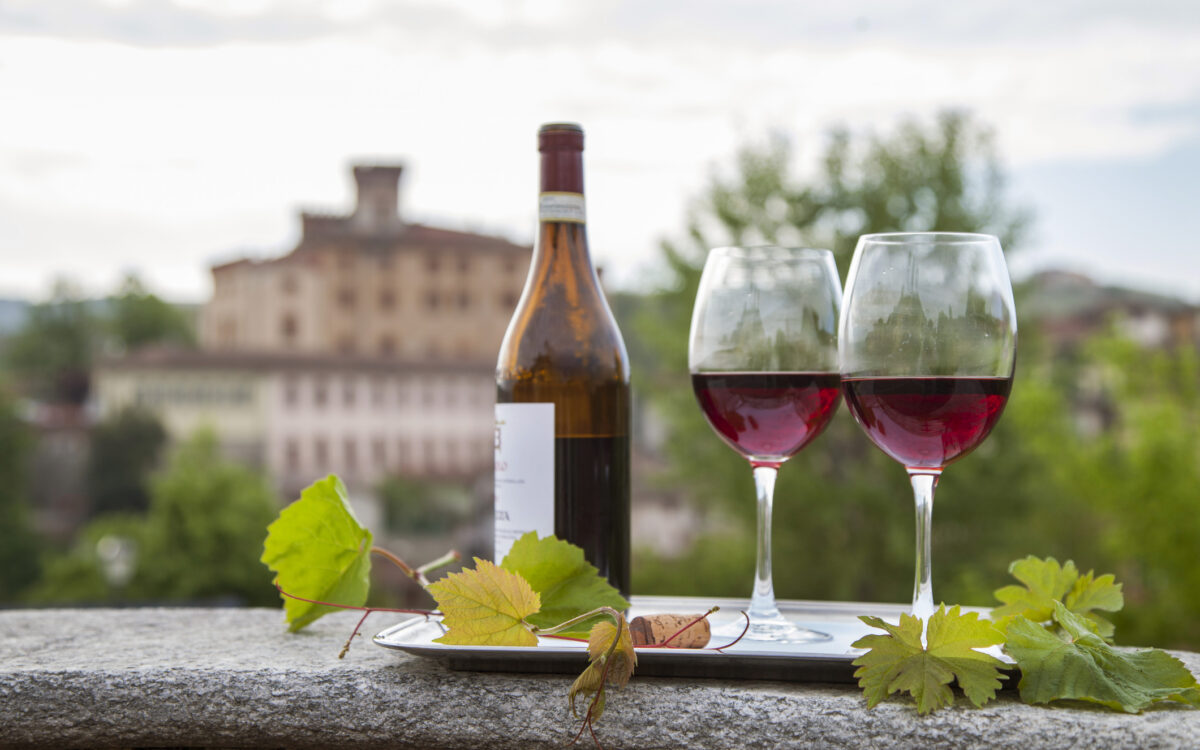
What Is the Difference Between Nebbiolo and Barolo?
People often talk about “Nebbiolo” and “Barolo” as if they were the same thing, but they are not. The term Nebbiolo refers to the grape variety itself — the vine from which wines are made. Barolo, on the other hand, is a specific wine produced exclusively in a defined area of Piedmont, following strict regulations, and made with 100% Nebbiolo grapes.
Understanding the difference between the two is essential for anyone who truly wants to appreciate the world of Piedmontese wine. While every Barolo is born from Nebbiolo, not every Nebbiolo becomes Barolo: the grape expresses itself differently depending on the terroir, production style, and the winemaker’s intent.
Nebbiolo: Piedmont’s Noble Grape
Nebbiolo is one of Italy’s oldest and most prestigious grape varieties, cultivated almost exclusively in Piedmont. Its name likely comes from the Italian word nebbia (“fog”), which often envelops vineyards during autumn harvests, or from the light, velvety bloom that appears on ripe grapes.
The history of Nebbiolo dates back to the Middle Ages, with written records as early as the 13th century. Its traditional growing areas include the Langhe, Roero, Terre Alfieri, and Alto Piemonte, with smaller plantings found in regions such as the Aosta Valley, Lombardy, and even parts of South America.
Nebbiolo is a demanding grape variety that requires optimal exposure, suitable soils, and a favorable climate. In return, it produces wines of great structure and remarkable aging potential. These wines typically show a relatively light color, pronounced tannins, vibrant acidity, and complex aromas that evolve, including rose, violet, red fruit, spices, undergrowth, leather, and tobacco.
Barolo: The King of Wines, Born from Nebbiolo
Barolo is one of the most celebrated wines in the world and is often referred to as the “king of wines and the wine of kings.” It is made exclusively from Nebbiolo grapes, but producing Barolo requires far more than just growing the variety. It demands the right territory, strict production rules, extended aging, and deep respect for tradition.
Barolo is produced only in a limited area of the Langhe hills in the province of Cuneo, which includes 11 municipalities such as Barolo, La Morra, Monforte d’Alba, and Serralunga d’Alba. The combination of limestone-rich soils, marl, and unique microclimates allows Nebbiolo to reach its highest expression.
To be labeled as Barolo, a wine must meet specific requirements:
- Produced with 100% Nebbiolo grapes
- Aged for a minimum of 38 months, including at least 18 months in wood
- Minimum alcohol content of 13%
There is also Barolo Riserva, which requires at least 62 months of aging, allowing the wine to develop even greater depth and complexity.
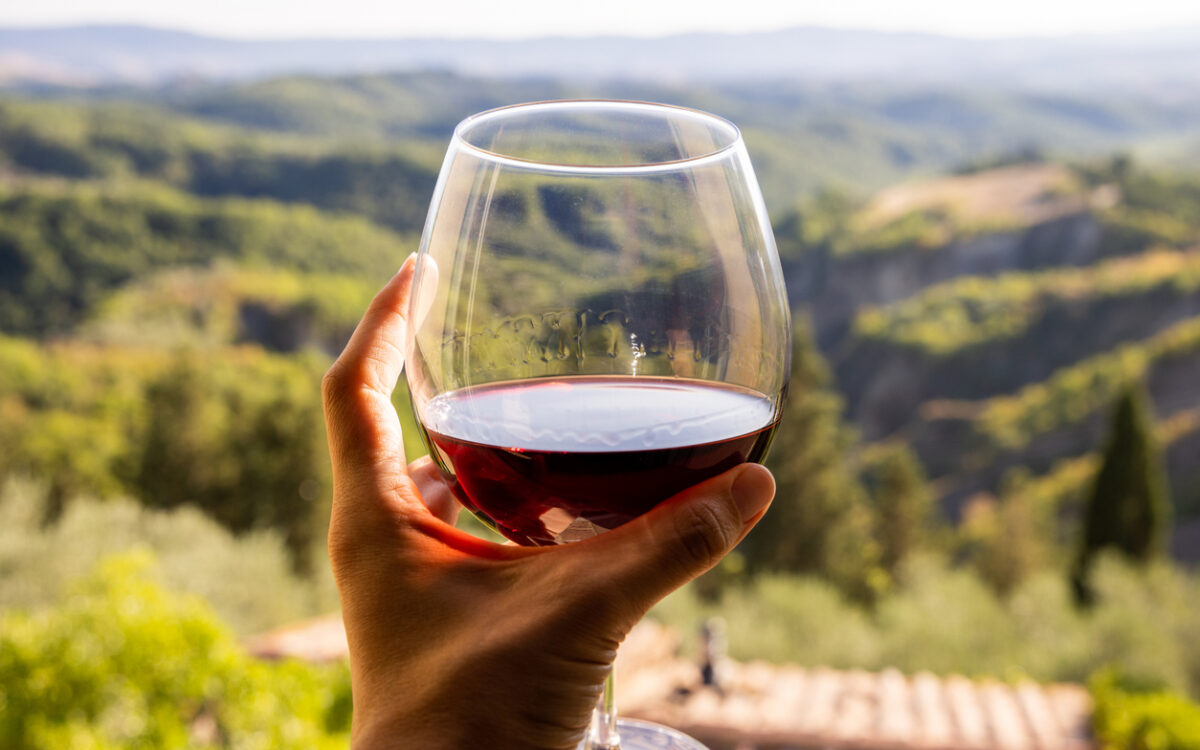
Nebbiolo vs Barolo in the Glass
Although they share the same grape variety, Nebbiolo and Barolo express themselves very differently in the glass. Nebbiolo wines produced outside major denominations are generally lighter, with softer tannins and a more immediate, fragrant character. They often highlight floral and fruity notes and are typically intended for earlier drinking.
Barolo, by contrast, is the result of careful selection and long aging. It offers greater structure, firmer tannins, and extraordinary complexity. With time, its aromas evolve into dried rose, licorice, tar, forest floor, leather, and earthy nuances.
Nebbiolo wines are often approachable within a few years and pair well with simpler dishes. Barolo, on the other hand, is a wine meant to be cellared, often reaching its peak after 10 to 15 years. It is ideal for special occasions and for those who appreciate the slow evolution of great wines.
In Summary
- Nebbiolo is the grape variety, the noble vine behind many wines.
- Barolo is the most structured and ambitious expression of Nebbiolo, defined by a specific terroir and strict aging regulations.
Every Barolo is Nebbiolo, but not every Nebbiolo is Barolo — a distinction that helps wine lovers better understand what is in the glass and fully appreciate the uniqueness of these iconic wines.


 Campagna finanziata ai sensi del reg. UE n. 1308/2013