

Barolo
or Barbaresco? All the Differences.
Barolo and Barbaresco are two jewels of the Langhe, born from the same grape variety, Nebbiolo, but shaped by different territories, traditions, and styles. For years, they have been compared, set against each other, sometimes even opposed, but those who truly know them understand that this is not a contest between rivals. It is the story of two complementary souls of the same wine-growing Piemonte.
If Barolo is often described as the “king” for its power and imposing character, Barbaresco is considered its finer, more refined alter ego, capable of surprising with its elegance and accessibility. Understanding the differences between the two does not mean choosing one at the expense of the other, but learning to recognize their identities, personalities, and the ideal occasions to enjoy them.
In this article, you will discover what makes them unique: where they are born, how they are produced, how they appear in the glass, and how they behave at the table. Because Nebbiolo has a thousand faces, and these two are among the most fascinating.
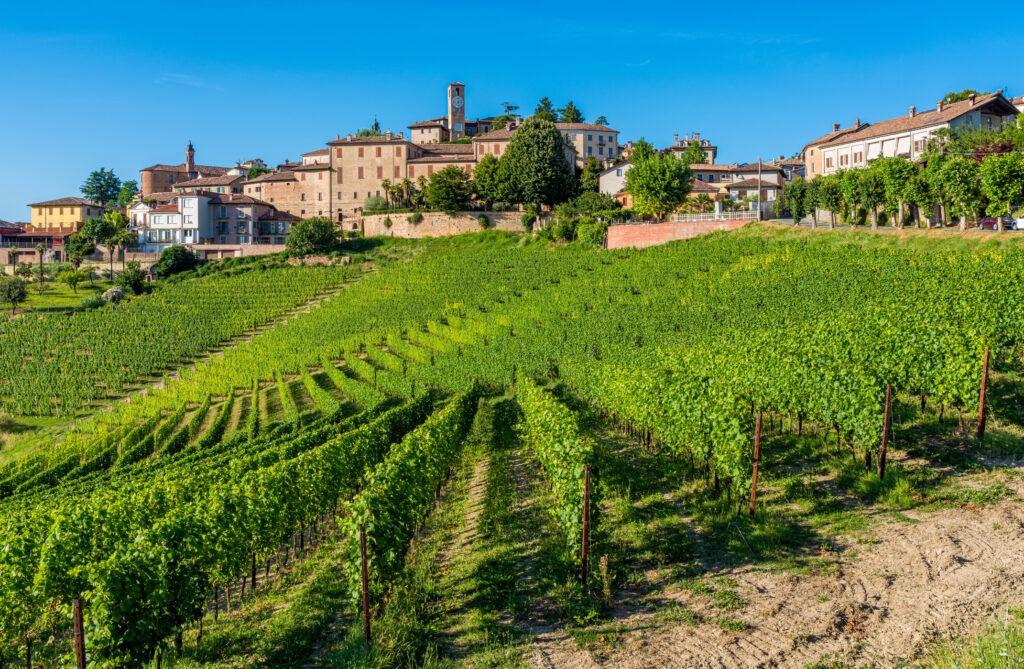
Barolo or Barbaresco? Discover differences, territories, styles, and pairings to choose the right Nebbiolo at the right moment.
Territorial and regulatory differences
Barolo and Barbaresco share the same grape variety, but they are born in different lands, which determines their distinct characteristics. Soil, altitude, exposure, and even microclimate deeply influence the identity of each wine.
Production areas
Barolo is produced in a broader and more varied area of the Langhe, including 11 municipalities, among them La Morra, Monforte d’Alba, Serralunga d’Alba, Barolo, and Castiglione Falletto. Here, soils are more heterogeneous: they range from compact marls to sandy zones, which give the wine different nuances of power, depth, and longevity.
Barbaresco, instead, is born in a smaller and more homogeneous territory, which includes only 4 main municipalities: Barbaresco, Neive, San Rocco Seno d’Elvio (a hamlet of Alba), and Treiso. The soils are richer in calcareous marls and the altitude is slightly lower, elements that encourage faster ripening of Nebbiolo grapes, resulting in wines that are readier and softer.
Aging requirements
Production regulations also establish fundamental differences:
- Barolo requires a minimum aging period of 38 months, including at least 18 months in wood.
- Barbaresco has a shorter minimum period: 24 months, including at least 9 months in cask.
Longer aging for Barolo reflects its greater structure and stronger vocation for long-term aging, while Barbaresco lends itself to earlier drinking, while still preserving extraordinary elegance.
Stylistic differences in the glass
Beyond territory and production rules, Barolo and Barbaresco are also clearly distinct in the glass. Differences appear in structure, tannins, evolution, and in how they express themselves on the nose and palate. Both come from Nebbiolo, but they speak in different tones.
Structure and tannins
Barolo presents itself as a more austere, powerful, and profound wine. The tannins are pronounced, especially in younger versions, and they require time to become polished. It is a wine that demands patience, but it offers extraordinary longevity, capable of evolving for decades while maintaining tension, complexity, and solidity.
Barbaresco, while preserving the nobility of Nebbiolo, shows itself to be gentler and more accessible. Its tannins are generally finer, thanks also to a slightly milder climate and earlier grape ripening. The structure is important, but more harmonious and delicate, making it ready earlier than Barolo.
Aromatic profile and sensations
Both wines offer a broad and refined bouquet, but with different nuances:
- Barolo releases intense notes of dried rose, licorice, leather, spices, forest floor, and sometimes tar, with an evolution that makes it deep and majestic over time.
- Barbaresco stands out for a more floral and fruity profile, with aromas of violet, cherry, sweet spices, and balsamic notes, which reveal themselves in a more immediate and caressing way.
In summary, Barolo strikes with its imposing character, Barbaresco wins with its elegance. Two different interpretations of the same grape variety, both authentic expressions of the Langhe.
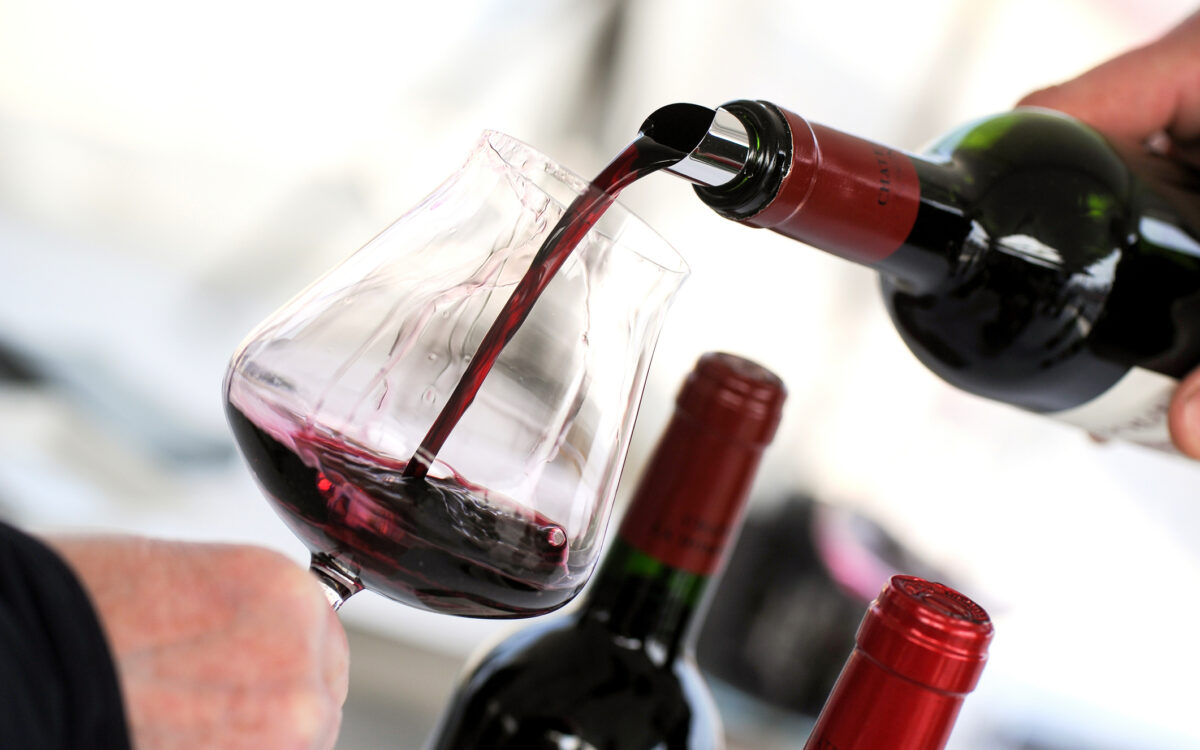
Which one to choose, depending on the occasion and pairing
Barolo and Barbaresco are not in competition, but they offer different experiences. Knowing their distinctive traits allows you to choose more consciously the wine best suited to the occasion, the dish, and the atmosphere.
When to prefer Barolo
Barolo is the wine for great occasions. Its imposing structure, firm tannins, and aromatic intensity make it perfect for solemn moments, important evenings, or lunches where the protagonist is a long-cooked meat dish, such as braises, roasts, or game.
It is also ideal for aging: a bottle of Barolo can rest in the cellar for decades, evolving in complexity and depth. For this reason, it is often chosen for anniversaries, special gifts, or celebrations meant to be remembered over time.
When to prefer Barbaresco
Barbaresco is suited to a more versatile and everyday enjoyment, while maintaining finesse and personality. It is perfect for those who want a more accessible Nebbiolo when young, with more polished tannins and a more immediate sip. It pairs beautifully with rich first courses, aged cheeses, flavorful white meats, and dishes based on mushrooms or truffles.
It is the ideal wine for those who love elegance without excess, for an intimate dinner or a refined lunch, where the goal is balance between complexity and harmony.
Choosing between Barolo and Barbaresco does not mean excluding one, but enhancing both. It depends on time, context, and the desire to experience Nebbiolo in one of its two magnificent expressions.
Conclusion
Barolo and Barbaresco are two noble faces of the same grape variety, Nebbiolo, but they tell different stories. The first is power, depth, and waiting; the second is finesse, balance, and refinement. Both sink their roots into the same land, the Langhe, but they interpret it in distinct ways, each with its own voice and its own pace.
Knowing their differences does not mean making a final choice, but understanding when and how to highlight them at their best: a Barolo for a long convivial evening, a Barbaresco for a more intimate gathering; one for braised meat, the other for a truffle risotto; one to keep in the cellar, the other to drink in the coming years.
Letting context, the dish, and the moment guide you is the secret to fully appreciating the elegance of Barbaresco and the majesty of Barolo. Because among great wines, you do not choose a winner.


 Campagna finanziata ai sensi del reg. UE n. 1308/2013