

Differences Between Nebbiolo and Barbera
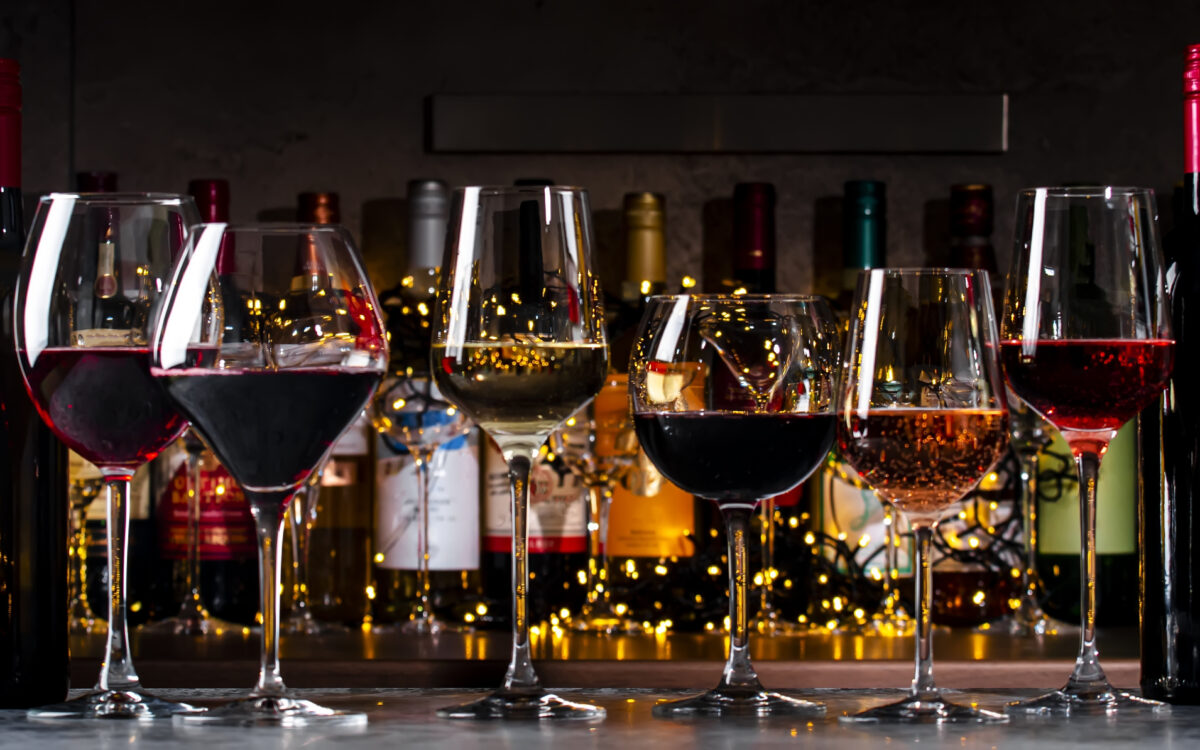
Nebbiolo and Barbera are two of the most representative grape varieties of Piedmont, yet they display very different characteristics that make each of them unique. While Nebbiolo is often celebrated for its complexity and longevity, Barbera is appreciated for its lively acidity and its ability to pair with a wide range of dishes. In this article, we explore the main differences between these two varieties to help you understand when and how to choose one or the other, depending on your taste and the occasion.
Nebbiolo vs Barbera: What Changes in the Glass
Sensory profile comparison: color, aromas, and structure
- Nebbiolo
Nebbiolo typically shows a light ruby color with garnet reflections and a robust, complex tannic structure that allows it to age beautifully. On the nose, it offers floral notes of rose, ripe red fruit, and, with aging, evolves into spicy and earthy nuances. Its profile is deep, structured, and elegant. - Barbera
Barbera is generally more approachable and fruit-forward. It has a deeper color but a lighter body and softer tannins compared to Nebbiolo. Dominant aromas include cherry, blackberry, and forest fruits, supported by a lively acidity that makes it fresh and vibrant. Barbera is immediate, easy-drinking, and very versatile.
Versatility, Drinking Window, and Aging Potential
- Nebbiolo
Nebbiolo is a wine that improves significantly with time and can age for decades. As it matures, tannins soften, and the wine develops additional layers of complexity. It is ideal for special occasions and pairs well with rich, structured dishes such as roasts, braised meats, and aged cheeses. - Barbera
Barbera is more immediate and versatile, generally meant to be enjoyed young. While some versions benefit from oak aging and gain additional complexity, it is most appreciated in its fresh, youthful expression. It pairs perfectly with lighter dishes such as tomato-based pasta, cured meats, pizza, and fresh cheeses.
Nebbiolo: The Noble Grape of Piedmont
Origins and Distribution
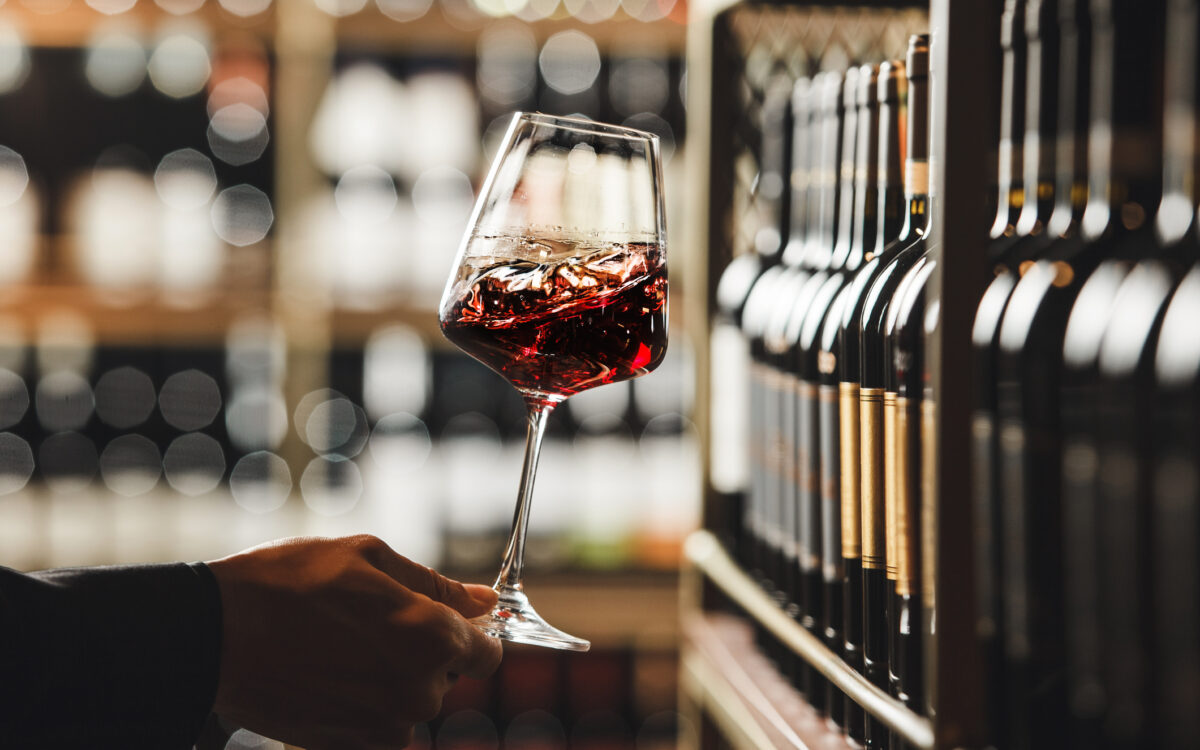
Nebbiolo is one of Italy’s most prestigious grape varieties and forms the foundation of iconic Piedmont wines such as Barolo and Barbaresco. Its origins date back to Roman times, but it is in the Langhe that Nebbiolo finds its highest expression. This demanding grape thrives in calcareous-clay soils and cool, well-ventilated areas such as Langhe, Roero, Terre Alfieri, and Alto Piemonte.
Key Characteristics
Nebbiolo stands out for its pronounced acidity and firm tannins, which make it particularly suitable for long aging. Its aromas evolve from fresh fruit and floral notes into leather, spice, and forest floor nuances. It is a wine that requires patience, but rewards it generously.
Barbera: The Vibrant, Food-Friendly Soul of Piedmont
Origins and Spread
Barbera is an indigenous Piedmontese grape variety, especially widespread in the areas of Alba, Asti, and Monferrato. Naturally resistant and adaptable to different soils, it has become one of the most widely planted grapes in the region. Easier to grow than Nebbiolo, Barbera allows for a range of winemaking styles, from fresh and youthful to more structured and complex versions.
Distinctive Traits
Barbera is known for its high acidity and vibrant, fruity character. While it lacks the strong tannic backbone of Nebbiolo, it offers remarkable freshness and drinkability, with aromas of cherry, plum, and wild berries. Although some versions are aged in oak, Barbera is most commonly enjoyed young and fresh.
Modern Barbera: Complexity and Aging Potential
In recent years, some producers have explored more structured and age-worthy expressions of Barbera, capable of competing in elegance and depth with other great Italian red wines. Through careful winemaking and targeted aging, these modern interpretations highlight Barbera’s aromatic finesse and strong sense of terroir.
When to Choose Nebbiolo or Barbera
Typical Food Pairings
- Nebbiolo: ideal with rich dishes such as braised meats, roasted red meats, game, and aged cheeses.
- Barbera: perfect with lighter fare, including tomato-based pasta, pizza, mushrooms, and cured meats.
Occasion and Budget
- If you are looking for a wine for a special occasion or long-term cellaring, Nebbiolo is the ideal choice.
- If you prefer an easy-drinking, versatile wine suitable for everyday enjoyment, Barbera is the perfect option.
In general, Nebbiolo tends to be more expensive and suitable for aging, while Barbera is usually more accessible and ideal for convivial, youthful drinking.


 Campagna finanziata ai sensi del reg. UE n. 1308/2013